
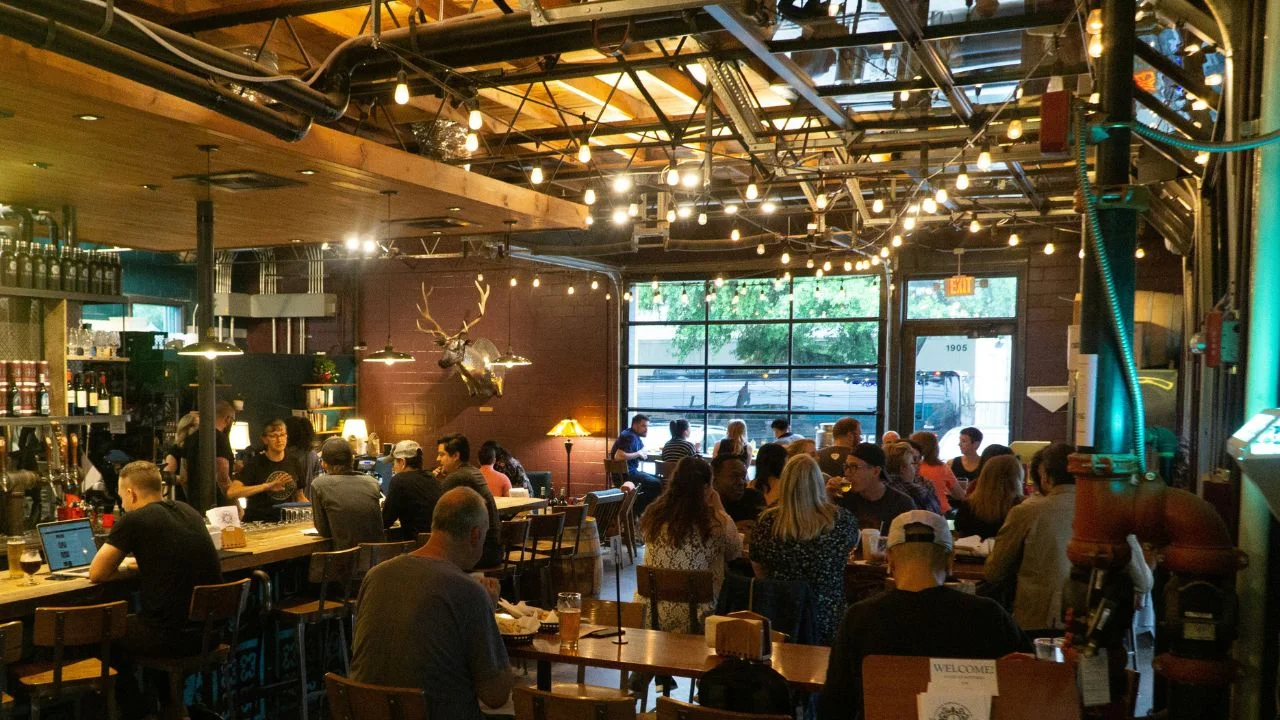
Running a restaurant is one of the most demanding businesses in the world. Margins are thin, competition is relentless, and customer expectations are higher than ever. In this environment, marketing is a lifeline. The restaurants that thrive long-term aren’t always the ones with the best food (though that helps enormously). They’re the ones that combine great food with smart, consistent marketing that keeps seats filled on Tuesday nights as reliably as Saturday evenings.
Define Your Restaurant’s Identity & Positioning
Before spending a pound or a dollar on marketing, get clear on what your restaurant is and who it’s for. This sounds obvious, but the majority of restaurant marketing fails not because of poor execution but because of unclear positioning.
Your restaurant’s identity is the intersection of your cuisine, your atmosphere, your price point, your service style, and the kind of experience you want guests to have. A neighbourhood bistro, a high-end tasting menu restaurant, a fast-casual lunch spot, and a family-friendly Sunday roast destination all require fundamentally different marketing approaches different platforms, different tone, different imagery, different audiences.
Write a one-sentence positioning statement that captures your restaurant’s essence: who it’s for, what it offers, and why it’s different from the alternatives. “A relaxed neighbourhood Italian for families and friends who want generous, honest cooking without the fuss” is a positioning statement. “A modern European restaurant” is not. Every piece of marketing you produce should be a natural expression of that positioning, consistent enough that a first-time visitor who follows you on Instagram arrives at the restaurant with exactly the right expectations.
Master Google: Search, Maps & Reviews
When someone is hungry and looking for somewhere to eat, whether that’s planned or spontaneous on a Friday evening, they go to Google. Appearing prominently in those results, with compelling information and strong reviews, is the single most important thing your restaurant’s digital marketing can achieve.
Your Google Business Profile is ground zero. Fill it out completely and keep it current: accurate opening hours including holiday variations, your full menu or a link to it, high-quality photographs of your food and interior, your website, phone number, and booking link. Google rewards active, complete profiles with better visibility after regular updates; add new photos weekly and use the Q&A section to proactively answer the questions guests most commonly ask.
Reviews are the currency of restaurant marketing. A consistent stream of genuine four and five-star reviews on Google, TripAdvisor, Yelp, or OpenTable, depending on your market, builds the social proof that turns a browse into a booking. Make requesting reviews a natural part of your guest experience: a brief, warm message at the end of a positive interaction, a card with the bill, or a follow-up email after a booking. Respond to every review, thank the positive ones specifically and address the negative ones professionally, calmly, and without defensiveness. A thoughtful response to a critical review often builds more trust than a page of five-star ratings.
Build a Website That Makes Booking Effortless
An astonishing number of restaurants lose bookings every day because their website makes it too hard to do the one thing visitors came to do: reserve a table. Your website is a booking conversion tool and everything about it should be designed with that purpose in mind.
The essentials are non-negotiable. Your menu must be on your website, up to date, and readable on a mobile phone, not buried in a PDF that requires downloading. Your opening hours must be accurate. Your location must include a map. And your booking process must be as simple as possible, one click to a reservation, not a chain of redirects to a third-party site with a seven-step form.
Beyond the basics, your website should do emotional work. Professional food photography that makes people hungry. Interior shots that convey the atmosphere. A brief, warm description of what makes your restaurant worth the visit. Chef or owner photography that adds a human face to the experience.
Mobile optimization is critical, as the majority of restaurant website visits occur on mobile devices, often moments before someone makes a decision. A site that is slow, hard to navigate, or unreadable on a phone loses those potential customers to a competitor whose site works.
Build a Social Media Presence That Makes People Hungry
Instagram was arguably built for restaurants. Food photography, atmospheric interiors, behind-the-scenes kitchen content, and the theatre of a beautifully plated dish are exactly what the platform was designed to showcase, and a well-managed restaurant Instagram account can be one of the most powerful marketing tools available at almost no cost beyond time and creativity.
The content hierarchy for restaurant social media is straightforward: food first, atmosphere second, people third. Consistently beautiful food photography shot in natural light, styled thoughtfully, and photographed at the right angle is the foundation. Atmospheric shots of a full dining room on a Friday evening, or a quiet corner table set for a romantic dinner, sell the experience. And genuine moments of your team, a chef plating a dish, a sommelier pouring a wine, a table celebrating a birthday, add the human warmth that turns followers into regulars.
Reels and short video content have become essential, not optional. A fifteen-second video of pasta being tossed, a cheese wheel being cracked open, or a cocktail being prepared reaches far beyond your existing audience and generates the kind of organic engagement that no paid promotion can replicate at the same cost.
Behind-the-scenes content in the prep kitchen, market visits, and team moments performs exceptionally well because it satisfies the genuine curiosity people have about what happens before the food reaches the table. Don’t underestimate how interesting the ordinary details of running a restaurant are to people who eat out but have never worked in hospitality.
User-generated content is a free marketing asset that most restaurants exploit far less than they should. Encourage guests to tag your restaurant in their photos a small sign on the table, a mention in your email confirmation, or simply creating dishes and interiors that are genuinely worth photographing. Reposting guest content (with credit) populates your feed with authentic social proof and rewards the guests who shared it.
Email Marketing: Your Most Direct Line to Loyal Guests
Social media algorithms decide who sees your content. Email goes directly to the inbox of every person who has chosen to hear from you, making it the most reliable and highest-return digital marketing channel available to restaurants that invest in building their list.
The most effective way to build your email marketing list is to collect addresses at every guest touchpoint: your booking system (most modern reservation platforms collect email addresses as standard), your website (a sign-up in exchange for a first-visit discount or a behind-the-scenes recipe), and your physical space (a card at the table or a QR code that links to a sign-up form).
What you send matters as much as how often. A monthly newsletter that includes a genuinely interesting story from your kitchen, an upcoming event or seasonal menu launch, a recipe or food pairing recommendation, and a soft invitation to book creates real value for recipients rather than simply filling their inbox with promotions. The restaurants with the strongest email lists are the ones whose newsletters people actually look forward to reading.
Use email for event promotion, seasonal menu launches, and exclusive offers for subscribers, making membership of your list feel genuinely worthwhile. A soft incentive for signing up (a complimentary glass of wine on their next visit, a discount on a booking) dramatically increases sign-up rates and gives subscribers an immediate reason to return.
Manage Delivery Platforms Without Becoming Dependent on Them
If your restaurant offers delivery, platforms like Deliveroo, Uber Eats, and Just Eat put you in front of enormous audiences quickly, but they come with significant commission rates that can destroy already-thin margins if not managed carefully.
Use delivery platforms strategically rather than as your primary revenue channel. They are powerful for acquiring new customers who might not otherwise discover your restaurant, but the goal should be converting those customers into direct guests over time. Include a card with every delivery order that offers a discount on their next dine-in visit, or a loyalty card that incentivizes returning directly.
Invest in your own direct ordering capability. A commission-free online ordering system integrated with your website, with platforms like Square, Toast, or a direct integration with your POS system, allows customers who already know you to order without paying the platform premium, and allows you to keep a significantly higher margin on each order.
Your presence on delivery platforms also functions as a form of marketing. A well-rated, beautifully photographed listing on a major platform introduces your restaurant to thousands of potential customers who might later visit in person. Treat your platform profile with the same care as your website.
Events, Promotions & Reasons to Visit
In a competitive restaurant market, giving people a specific reason to visit on a specific night is one of the most effective tools for filling covers during quieter periods. Events and promotions create urgency, generate content, attract press coverage, and introduce your restaurant to new audiences.
The most effective restaurant events are aligned with your positioning and genuinely interesting to your target guest. A wine dinner with a visiting producer, a chef’s table series with a fixed seasonal menu, a cooking class on a Sunday morning, a local ingredients showcase with a visiting farmer these events command a premium price, generate strong word of mouth, and attract guests who are specifically aligned with what you do.
Regular weekly programming, a Sunday jazz brunch, a Thursday quiz night, and a Friday happy hour build habitual attendance and fill historically quieter slots with a reliable crowd. Once guests establish a habit of coming on a particular night, they become significantly more loyal and refer others more readily.
Seasonal promotions tied to genuine occasions, Valentine’s Day, Christmas, Mother’s Day, New Year’s Eve, fill covers during premium occasions but should be designed to be genuinely special rather than perfunctory. A guest who has an exceptional Valentine’s dinner at your restaurant will return for anniversaries, birthdays, and regular dinners for years.
Build Relationships With Local Press & Influencers
A review in a respected local publication, a feature in a regional food magazine, or a post from a well-followed local food influencer can drive more bookings in a week than months of organic social media growth. Building relationships with local press and relevant influencers is a marketing channel that many restaurants neglect but that consistently delivers outsized returns.
Press relationships are built over time through genuine news, a significant menu change, a new chef appointment, a restaurant refurbishment, a unique event, or an interesting story about your sourcing or concept. A well-written press release sent to local food editors, restaurant critics, and lifestyle journalists at the right moment can generate coverage that money can’t buy.
Influencer partnerships work best when they are authentic and well-targeted. A food influencer with 50,000 genuinely engaged local followers will drive more covers than one with 500,000 followers spread across the country. Invite relevant influencers to a complimentary tasting experience, give them genuine creative freedom, and build a relationship rather than a transaction. The most valuable influencer partnerships are the ones where the creator becomes a genuine regular who mentions your restaurant naturally in their content over time.
Build a Loyalty Programme That Keeps Guests Coming Back
Acquiring a new guest costs significantly more than retaining an existing one, and your regulars are your most profitable customers, your most reliable advocates, and your most resilient revenue stream during tough periods. A loyalty programme formalizes the relationship and gives guests a tangible reason to choose you over a competitor.
The most effective restaurant loyalty programmes are simple, generous, and genuinely rewarding. A digital stamp card offered through an app like Stampede or integrated into your booking platform is easier to manage than paper cards and gives you valuable data on visit frequency and spending patterns. A points system that converts into money off a future visit, or a VIP programme that offers regulars priority booking, complimentary extras, or invitations to exclusive events, gives your best customers a reason to feel genuinely valued.
Beyond the mechanics of the programme, loyalty is built through the quality and consistency of the experience itself. A guest who always gets a warm, personal welcome, who feels recognised and appreciated by the team, and who can rely on a consistent standard of food and service will return without any incentive and will bring others with them.
Measure, Learn & Adjust
Restaurant marketing without measurement is guesswork. You don’t need sophisticated analytics, but you do need to track the basic metrics that tell you whether your marketing is working and which elements are doing the most to fill your dining room.
Track your covers by day and by session, and correlate peaks and troughs with your marketing activity. Did the Instagram Reel you posted on Monday drive significantly more bookings for that Wednesday lunch? Did the email campaign for your new menu launch fill the following two weeks of dinner service? Did the influencer’s visit result in a measurable spike in weekend bookings? These correlations, tracked consistently, tell you where your marketing is working and where it isn’t.
Monitor your review scores weekly across all platforms. A decline in average rating or a cluster of reviews citing the same issue, slow service, a specific dish that isn’t landing, or noise levels is market research you didn’t have to pay for. The restaurants that improve continuously are the ones that take this feedback seriously and act on it quickly.
Set a simple monthly marketing report that covers average spend per head, new versus returning guests, review scores, social media growth, and email list size. Review it regularly, compare it month over month, and use it to make decisions about where to focus your marketing effort in the period ahead.
Final Thought
Restaurant marketing is ultimately about one thing: giving people compelling reasons to choose you, return to you, and tell others about you. The tactics in this guide, from Google optimization and social media to email marketing and events, are all in service of that single goal. None of them works in isolation, and none of them produces results overnight. But applied consistently, with genuine care for the guest experience at the centre of everything, they build the kind of restaurant reputation that fills dining rooms not just this week, but for years to come. The best marketing a restaurant can do is to be so good that people can’t stop talking about it. Everything else just amplifies that.

Need further assistance?
Struggling to get new customers in your area? Let’s have a conversation.