
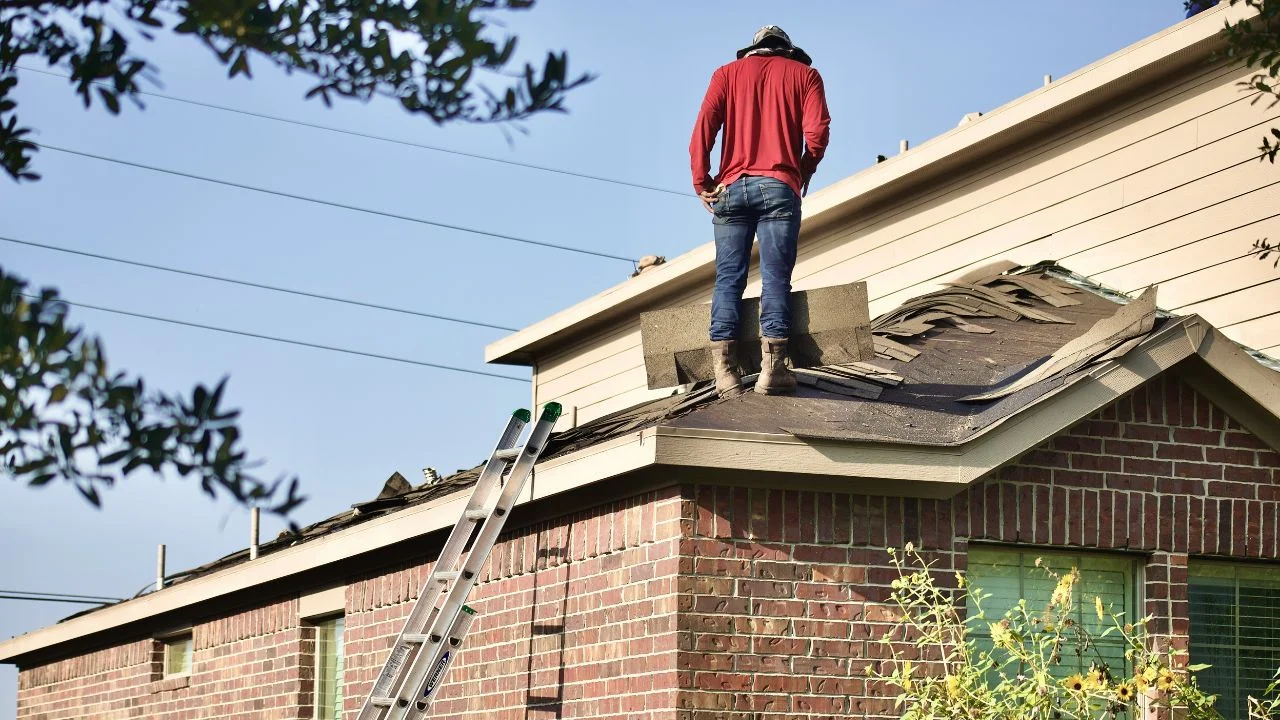
Roofing is one of the most competitive local trades in the country. Every homeowner is a potential customer, but only occasionally, and usually urgently. A roof replacement is a significant, stressful purchase that most people make once or twice in a lifetime. A repair job is often triggered by a leak, a storm, or a survey finding that demands immediate action. In both cases, the homeowner needs to trust the company they hire completely, and that trust has to be established quickly, often within minutes of finding you online.
The roofing companies that win consistently aren’t always the best roofers. They’re the ones who show up first, look professional, communicate clearly, and have the reviews to back it up. Here’s how to build a marketing strategy that puts you in that position.
Define Your Positioning & Service Focus
Before investing in any marketing, get clear on what kind of roofing company you are and who you serve best. Roofing covers a wide range of work, residential repairs, full roof replacements, flat roofing, commercial roofing, heritage and listed building work, new build contracts, emergency call-outs and trying to market all of it equally dilutes your message and makes it harder to build genuine expertise in any one area.
The most effective roofing marketing starts with a clear, specific focus. If your best work and highest margins come from full residential replacements in a particular geographic area, build your marketing around that. If you’ve developed real expertise in flat roofing or heritage slate work that competitors can’t match, lead with that differentiator. If emergency call-outs and storm damage repairs are your bread and butter, make twenty-four-hour availability and fast response time the centrepiece of your positioning.
Clarity of focus doesn’t mean turning away work outside your niche. It means being the obvious, unambiguous choice for the work you most want to win.
Dominate Local Search With Your Google Business Profile
When a homeowner notices a damp patch on their ceiling or tiles missing after a storm, the first thing they do is search Google. If your roofing company doesn’t appear prominently in those results in the local map pack, with strong reviews and complete information, you are invisible at exactly the moment someone is ready to spend money.
Your Google Business Profile is the most important free marketing tool available to your roofing business. Fill it out completely: accurate business name, address, phone number, service areas, website link, opening hours, and a thorough business description that includes the specific services you offer and the areas you cover. Add high-quality photographs of completed roofing projects. Before and after shots are particularly compelling, and update your profile regularly with posts about recent work, seasonal offers, or roofing tips.
Google reviews are the single most influential factor in a homeowner’s decision to contact one roofer over another. A company with forty genuine five-star reviews will consistently win enquiries over a competitor with better work but fewer reviews. Build a systematic process for requesting reviews from every satisfied customer. A follow-up text or email with a direct link to your Google review page is the most effective approach. Most happy customers are willing to leave a review.
Respond to every review, positive and negative. A professional, warm response to a critical review demonstrates maturity and customer care that potential customers notice and respect.
Build a Website That Converts Worried Homeowners
Most homeowners searching for a roofer are stressed. They have a leak, storm damage, or a failing roof, and they need someone trustworthy to fix it quickly. Your website needs to meet that emotional state with immediate reassurance: you are professional, experienced, local, and available.
The fundamentals of a high-converting roofing website are straightforward. Your homepage should communicate immediately what you do, where you operate, and why you’re trustworthy without requiring the visitor to scroll or search for basic information. A prominent phone number at the top of every page, a clear call to action for requesting a quote, and your service area prominently stated are non-negotiable.
Trust signals are critical in roofing, where rogue traders and substandard work are a genuine and widely publicized problem. Display your industry accreditations prominently, like NFRC membership, TrustMark registration, manufacturer certification from brands like Velux or Redland, and any warranty-backed credentials, which carry significant weight with homeowners doing their due diligence. Detailed case studies of completed projects, with before and after photography, demonstrate capability far more effectively than a list of services. Video testimonials from satisfied customers are the most powerful trust-builder available.
For emergency and storm damage work specifically, ensure your website makes it effortless to contact you out of hours. A click-to-call button that is visible on mobile, a clear emergency contact message, and a response time commitment all convert stressed homeowners who need help immediately.
Invest in Local SEO for Long-Term Lead Generation
Content marketing supports your search engine optimization (SEO) while building genuine trust with potential customers. Google Ads can generate enquiries tomorrow, but local SEO optimizing your website and online presence to rank organically for searches in your area builds a sustainable pipeline of leads that doesn’t require ongoing ad spend.

The foundations of local SEO for roofing are consistent and well understood. Your website should have a dedicated service page for every type of roofing work you offer, pitched roof repair, flat roof installation, guttering, chimney work, emergency call-outs and each page should naturally include the names of the towns and areas you serve. A roofer covering multiple towns should have a dedicated page for each major location, with genuinely useful local content rather than thin text that simply repeats the same information with a different town name.
Build your local citation profile with consistent listings of your business name, address, and phone number across relevant directories, including Checkatrade, TrustATrader, MyBuilder, Rated People, and local business directories. Inconsistent information across these platforms confuses search engines and undermines your local ranking.
Write blog posts answering the questions homeowners most commonly ask:
- “How do I know if my roof needs replacing?”
- “What causes roof leaks?”
- “How long does a roof replacement take?”
- “What is the average cost of a new roof in [area]?”
Run Google Ads for Immediate, High-Intent Leads
For roofing companies that need leads now, whether you’re a new business building your pipeline, an established company entering a new area, or a business filling gaps after a quiet period, Google Search Ads offer the most direct route to homeowners actively searching for a roofer.
The intent of someone clicking a roofing ad is extremely high. They have a problem, they need it solved, and they are actively comparing options. A well-structured Google Ads campaign targeting searches like “emergency roofer [town]”, “roof repair [area]”, “roof replacement quote [city]”, and “roofing company near me” puts your business in front of exactly these people at exactly the right moment.
Write ad copy that speaks directly to what the homeowner is feeling. Highlight urgency, concerns about cost and the worry about being taken advantage of. Lead with your response time for emergency work, your guarantee, your years of experience, or your accreditations. A headline like “Local Roofers — Same Day Response — NFRC Approved” addresses three of the most common homeowner concerns in a single line.
Send paid traffic to a dedicated landing page, not your homepage. A page built specifically for the campaign with a single clear call to action, before and after project photos, customer testimonials, and your accreditations prominently displayed will convert at a significantly higher rate than a general website page.
Monitor your cost per lead carefully and exclude irrelevant search terms. DIY roofing searches, job-seeking queries, and searches from outside your service area all waste budget if not actively excluded. These are negative keywords and should be avoided.
Build a Strong Presence on Review & Trade Platforms
Beyond Google, homeowners searching for a trusted roofer turn to established trade platforms that offer an additional layer of vetting and accountability. A strong presence on the most relevant platforms in your market, Checkatrade, TrustATrader, Trusted Traders, MyBuilder, or Houzz, drives enquiries from homeowners who specifically seek out vetted, reviewed tradespeople.
Each platform has its own requirements, review system, and audience. Invest time in completing your profile fully on every platform where your ideal customers search professional photographs of your work, a thorough description of your services and experience, your full list of accreditations, and a clear statement of your service area.
Treat each platform profile as seriously as your own website. An incomplete or poorly presented profile on a high-traffic trade platform is a missed opportunity. A complete, well-reviewed profile on Checkatrade, for example, generates a steady stream of warm enquiries from homeowners who have already decided they want a vetted professional. This is the most valuable type of lead generation a roofing company can receive.
Use Social Media to Build Local Visibility & Trust
Social media plays a different role for roofing companies than it does for consumer lifestyle brands, but it is far from irrelevant. Used correctly, it builds local visibility, demonstrates quality of work, and keeps your company top of mind with homeowners who might not need a roofer today but will in the future.
Facebook is the most relevant platform for most roofing companies, for a simple reason. Your customers are primarily homeowners, which is Facebook’s core demographic. A Facebook business page with regular posts of completed projects, before and after photography, and genuine customer testimonials builds a local following that pays dividends over time.
Before and after project photography is the highest-performing content type for roofing on social media. A dramatic transformation of a moss-covered, failing slate roof replaced with a clean new installation requires no caption to be compelling. Post every significant project with a brief description of the work, the area, and any interesting challenges you encountered. Over time, this creates a portfolio of social proof that local homeowners browse when they’re thinking about their own roof.
Local Facebook community groups, neighbourhood groups, area forums, and local homeowner communities are worth joining and participating in genuinely. When a homeowner posts asking for a roofer recommendation in a group where you’re an active, respected participant, your name comes up naturally. This kind of peer recommendation is more valuable than any paid placement.
Vehicle & Site Signage as Marketing Assets
In roofing, your vehicles and your active work sites are marketing assets that many companies dramatically undervalue. A branded van parked outside a house where you’re working is a mobile billboard seen by every neighbour, every passerby, and every driver on that street for the duration of the job.
Invest in professional vehicle livery that clearly displays your company name, phone number, website, and the key services you offer. The design should be clean and legible at a distance a cluttered van livery that requires close reading to decipher is a missed opportunity. A simple, bold, professional design with a clear contact number is far more effective.
Site boards outside active projects serve the same function. A professional board with your company name, logo, contact details, and a brief description of the work being done tells the neighbourhood exactly who is responsible for that quality of work or, if the work is visibly excellent, provides the contact details of someone they might call when their own roof needs attention.
Ask satisfied customers in residential areas whether you can include a small, tasteful sign in their garden for a week or two after completion. Many will agree, and the local exposure combined with the visible evidence of the finished roof above it is a highly credible form of local marketing.
Build a Referral System That Generates Consistent Leads
Word of mouth is already driving a significant portion of roofing enquiries but for most companies, it’s happening entirely by accident. A deliberate referral system turns that passive process into a reliable, scalable lead channel.
The simplest and most effective referral approach is to ask directly. At the end of every job, when the customer is satisfied and has just seen the finished work, tell them: “If any of your neighbours or friends ever need roofing work, we’d be really grateful if you’d pass our details on. We rely on recommendations from customers like you.” This is a natural, comfortable ask in the context of a job well done and most satisfied customers are happy to help.
A structured referral incentive adds additional motivation. A cash payment or account credit for every successful referral that converts to a job gives customers a tangible reason to actively recommend you rather than passively mentioning you when the subject comes up. Track referrals carefully, pay the incentive promptly, and acknowledge every referral regardless of whether it converts. This builds the goodwill that makes customers want to refer again.
Professional referral networks are equally valuable. Real estate agents, surveyors, mortgage brokers, building inspectors, and property managers all interact regularly with homeowners whose properties have roofing issues identified at a survey or inspection. A professional relationship with one active surveyor or estate agent can generate a consistent stream of warm, high-quality referrals over time.
Follow Up Every Lead & Quote Systematically
In roofing, a significant percentage of potential revenue walks out the door because quotes are sent and never followed up. Homeowners get multiple quotes, get busy, or get overwhelmed by the decision and the company that follows up professionally and persistently, without being pushy, wins a disproportionate share of the work.
Build a simple CRM process, even a well-organized spreadsheet is a start that tracks every lead from first contact to either a won job or closed enquiry. Record the date of first contact, the date the quote was sent, the follow-up dates, and the outcome. A lead that doesn’t convert this month might convert next month when the homeowner has their finances in order or the weather makes the repair more urgent.
Follow up every unsold quote within five to seven business days with a brief, professional message, checking whether the customer has any questions and reaffirming your availability. A second follow-up two to three weeks later, if there’s been no response, keeps you present without being intrusive. Many roofing companies that follow this simple process report a meaningful increase in conversion rates from the same volume of quotes simply because they stay in the conversation while competitors have moved on.
Final Thoughts
Marketing a roofing company comes down to three fundamentals: being found easily when homeowners need you, being trusted immediately when they find you, and being remembered and recommended after the job is done. The tactics in this guide, from Google Business Profile and local SEO to referral systems and vehicle signage, all serve one of those three purposes. None of them works overnight, and none of them works in isolation. But applied consistently, with a genuine commitment to quality work and customer communication at the core, they build a roofing business that generates leads reliably, converts them efficiently, and grows through the compounding effect of reputation and referral. Get that flywheel turning, and the marketing largely sustains itself.

Need further assistance?
Struggling to get new customers in your area? Let’s have a conversation.