
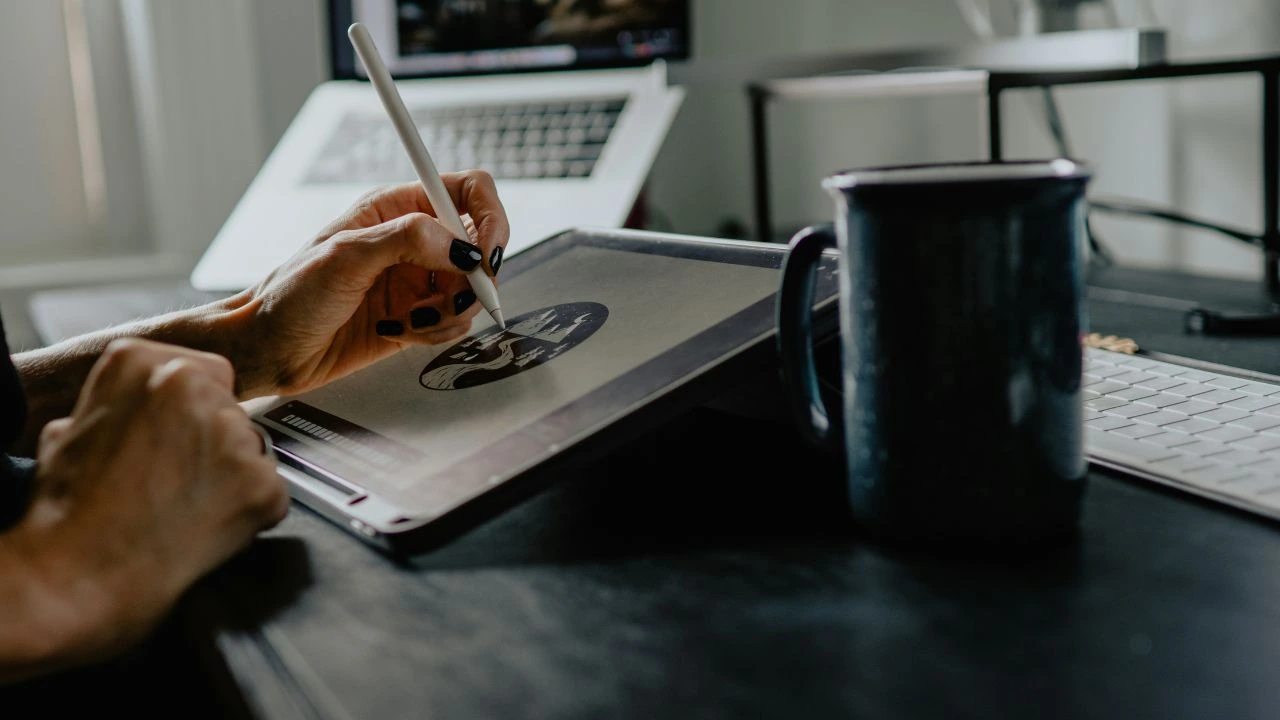
Graphic design is the art and practice of combining images, typography, colour, and layout to communicate ideas clearly and effectively. It plays a major role in how brands look, feel, and connect with people. A well-designed poster, website, logo, or social media graphic helps people understand a message quickly and remember it later.
Designers use visual elements to guide attention, create hierarchy, and build a consistent identity. That is why graphic design matters across advertising, branding, packaging, publishing, and digital media.

Graphic Design
with Forest City Digital Marketing
✓ Consistancy
✓ Trust
✓ Credibility
✓ Attention
✓ Engagement
✓ Connection
Custom Graphic Design
Custom graphic design services include all of the fundamentals required to propel your brand and marketing strategies towards success. We are dedicated to you and committed to developing sustainable and successful designs that fit your needs. Visual communication is vital to a successful brand. We specialize in refining your image, expression and persona.
Our vast options of Graphic Design range from, but are not limited to:
- Logo Development
- Branding Document
- Brochures
- Pamphlets
- Postcards & Mailers
- Letterhead & Stationery
- Menus
- Signage
- Banners
- Billboards
We have a variety of standard pricing as well as customized designs to suit any design need you may have.
Why Graphic Design Matters
Good design can make a business appear more professional, trustworthy, and memorable. It helps a brand stand out in a crowded market and gives customers a stronger first impression.
Graphic design also improves clarity. When information is organized well, people can process it faster and with less effort. This is especially important in marketing, where attention spans are short and competition is high.
Core Elements of Graphic Design
Every strong design uses a combination of basic visual principles. Some of the most important include:
- Typography, which controls how text looks and feels.
- Color, which creates mood and helps define a brand.
- Layout, which organizes content in a clear structure.
- Contrast, which makes important details stand out.
- Balance, which keeps a design visually stable.
- Alignment, which makes everything feel intentional and polished.
- White space, which prevents designs from feeling crowded.
When these elements work together, the result is easier to read and more visually appealing.
Types of Graphic Design
Graphic design appears in many different forms. Some common types include:
- Brand identity design, such as logos and visual systems.
- Marketing design, including ads, flyers, and banners.
- Web and UI design, which focuses on digital experiences.
- Packaging design, which helps products stand out on shelves.
- Editorial design, used in magazines, reports, and books.
- Social media design, created for online engagement.
- Motion graphics, which add movement to visual content.
Each type serves a different purpose, but all rely on the same basic design thinking.
The Role of a Graphic Designer
A graphic designer turns ideas into visuals that communicate clearly. Their job often includes understanding the audience, choosing the right style, and making sure the final design matches the message.
Designers may work with clients, marketing teams, developers, or content creators. They often revise layouts, refine typography, and adjust colors until the design feels balanced and effective. In many cases, they act as both creative problem-solvers and visual storytellers.
Graphic Design in Branding
Branding is one of the most important areas where graphic design has an impact. A company’s logo, colour palette, fonts, and image style all influence how people perceive the brand.
Consistent design builds recognition over time. When customers see the same visual identity across a website, business card, advertisement, and social post, they are more likely to remember the brand and trust it.
Skills That Make a Strong Designer
Successful designers usually combine creativity with technical skill. They need a strong eye for detail, but they also need to understand communication and strategy.
Important skills include:
- Visual composition.
- Typography knowledge.
- Color theory.
- Software proficiency.
- Problem-solving.
- Attention to detail.
- Communication and collaboration.
A strong designer does not just make things look good. They make design decisions that support a clear purpose.
The Future of Graphic Design
Graphic design continues to evolve as technology changes. New tools, platforms, and formats are expanding what designers can create. Brands now need graphics for websites, apps, short-form video, presentations, and interactive experiences.
At the same time, the fundamentals remain the same. Clear communication, strong structure, and thoughtful visual choices still define great design. Even as trends shift, the best graphic design continues to focus on connection and clarity.
Final Thoughts
Graphic design is a powerful part of modern communication. It influences how people see brands, understand information, and respond to messages. Whether it is used in print or digital media, good design helps ideas become more engaging and memorable.
For businesses, creators, and organizations, investing in quality graphic design is one of the best ways to build trust and stand out. A strong visual identity helps tell a story that people remember.

Need further assistance?
Ready to finally have a visual identity that reflects the quality of your business?