
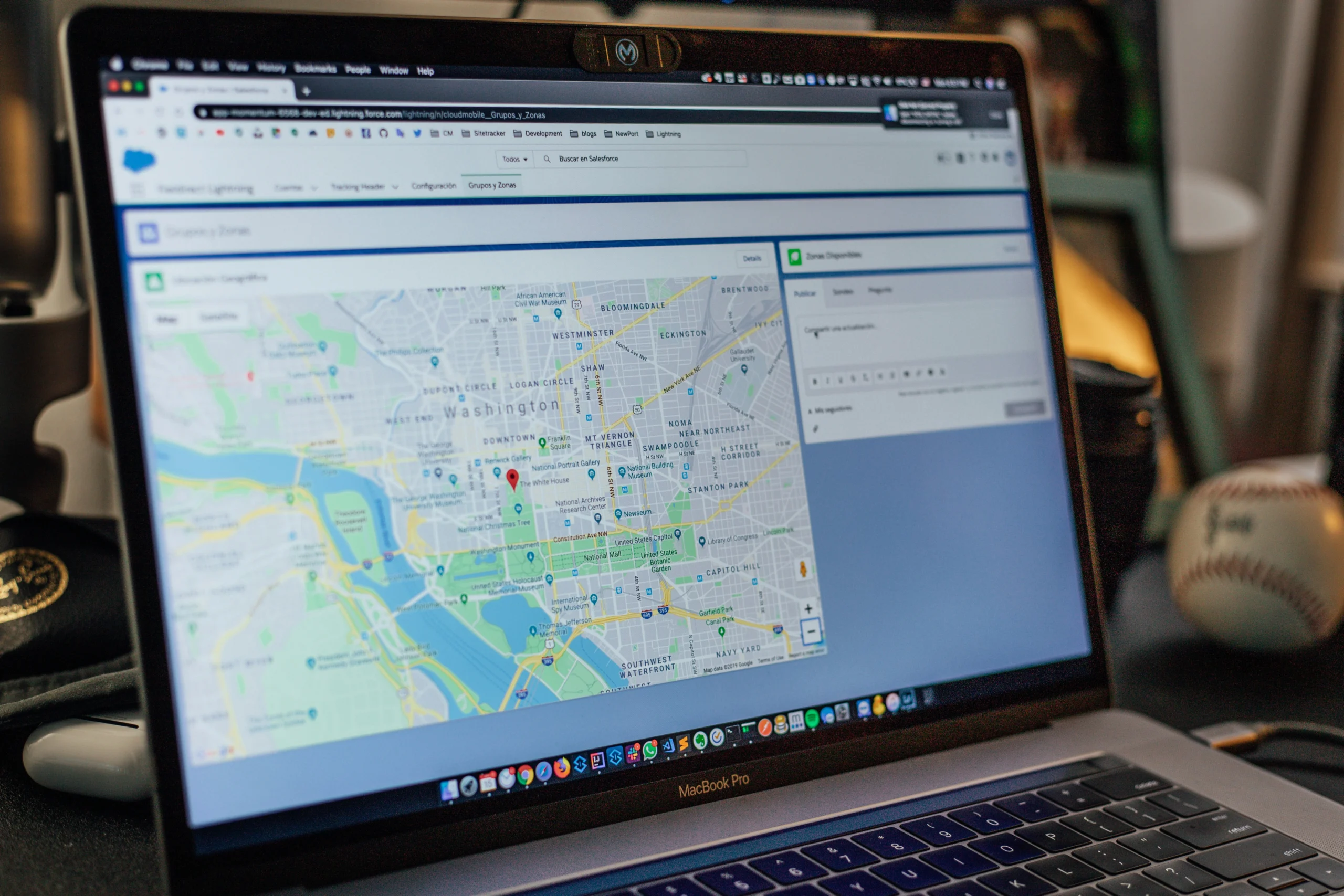
Customer Relationship Management (CRM) is the process of managing a company’s interactions with current and potential customers. At its core, CRM helps businesses stay organized, build stronger relationships, and improve sales and service over time.
CRM refers to both a business strategy and the software used to support it. The strategy focuses on understanding customer needs, tracking communication, and creating better experiences at every stage of the customer journey. The software helps centralize customer data so teams can access the same information quickly.
In simple terms, CRM makes it easier to remember who your customers are, what they need, and how your business has helped them before.
Why CRM Matters
Businesses use CRM because customer relationships are one of the biggest drivers of growth. When teams have clear visibility into leads, follow-ups, purchases, and support requests, they can respond faster and work more efficiently. This leads to better service and often higher revenue.
CRM also reduces missed opportunities. Instead of relying on memory or scattered notes, teams can track every important interaction in one place.
Main Benefits of CRM
A good CRM system can improve business performance in several ways:
- Better customer organization, with all contact details and history in one place.
- Stronger sales tracking, so teams can follow up on leads consistently.
- Improved customer service, because support teams can see past conversations.
- More effective marketing, through segmentation and targeted messaging.
- Better reporting, which helps leaders make smarter decisions.
- Increased team productivity, by reducing manual work and duplication.
Common CRM Features
Most CRM systems include tools that support sales, marketing, and customer service. Some of the most common features are:
- Contact and account management.
- Lead tracking and sales pipeline management.
- Email integration.
- Task reminders and follow-up automation.
- Customer service ticket tracking.
- Reporting and dashboards.
- Workflow automation.
- Mobile access for teams on the go.
These features help businesses stay consistent and responsive, even as customer lists grow.
How CRM Supports Different Teams
CRM is useful across departments, not just in sales. Sales teams use it to track prospects and close deals. Marketing teams use it to segment audiences and measure campaign results. Customer support teams use it to handle requests more efficiently and personalize service.
When all teams share the same customer data, the business feels more coordinated and professional. That consistency often improves the customer experience.
Choosing the Right CRM
The best CRM for a business depends on its size, goals, and workflow. A small business may need a simple, easy-to-use system, while a larger company may need advanced automation and reporting. It is important to choose software that fits the team’s daily habits rather than forcing everyone to work around it.
Before selecting a CRM, businesses should consider:
- Ease of use.
- Integration with existing tools.
- Automation capabilities.
- Reporting and analytics.
- Scalability.
- Customer support and training.
- Total cost of ownership.
CRM Best Practices
A CRM system is only effective when people use it properly. Businesses should keep records up to date, define clear processes for lead management, and make sure staff understand how the system supports their work. Regular training helps teams get more value from the platform.
It also helps to review CRM data often. Clean and accurate data makes reporting more reliable and improves decision-making.
Final Thoughts
Customer Relationship Management is more than just software. It is a practical way to build better relationships, improve communication, and support long-term business growth. Companies that use CRM well can respond faster, stay organized, and create a better experience for their customers.
As businesses continue to compete in crowded markets, CRM remains one of the most valuable tools for staying connected and customer-focused.