
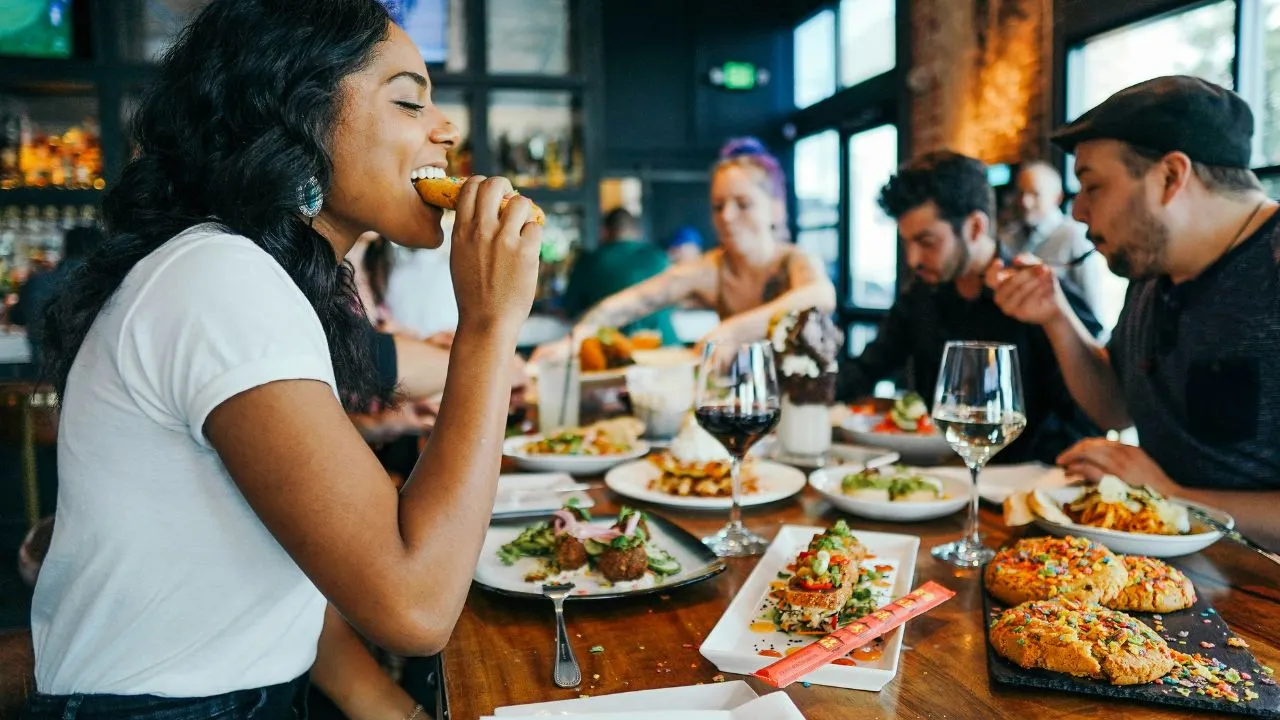
A digital marketing agency for restaurants helps restaurants attract more diners, increase reservations, and build a loyal local following through online channels. In a competitive food and hospitality industry, strong digital marketing can turn more website visitors and social followers into real‑life guests.
Why Restaurants Need Digital Marketing
Most customers now research restaurants online before they dine. They check websites, read reviews, look at photos, and compare menus and locations. Many people also use delivery apps, social media, and Google to discover new places to eat. If your restaurant is hard to find or poorly presented online, you may lose customers to competitors.
Digital marketing helps restaurants stay visible during this discovery phase. It can also support long‑term growth by building a strong brand, encouraging repeat visits, and filling reservations more consistently.
What a Digital Marketing Agency Does
A marketing agency that works with restaurants typically focuses on visibility, reservations, delivery orders, and loyalty. The goal is not just to get more website traffic, but to attract people who are ready to book a table, order delivery, or plan a visit.
Common services might include:
- Search engine optimization (SEO).
- Local SEO and Google Business optimization.
- Website design and online ordering integration.
- Paid advertising (Google Ads, Meta, food‑delivery integrations).
- Social media management.
- Email marketing and loyalty programs.
- Reputation and review management.
- Visual content creation (photos and videos).
Each of these services supports different parts of the customer journey, from awareness to meal‑time decision.
Local SEO for Restaurants
Local SEO is one of the most important strategies for restaurants. When people search for “restaurant near me,” “Italian food London,” or “date night restaurant,” you want your business to appear in those results.
A strong local SEO strategy usually includes:
- A well‑optimized website with clear menu pages and service details.
- Location‑specific content (e.g., “fine dining in London” or “family‑friendly restaurant in West London”).
- A complete, updated Google Business profile with photos, hours, and menu links.
- Accurate business name, address, and phone number (NAP) across directories.
- Positive online reviews from guests.
- High‑quality photos of food, interior, and signage.
This helps improve visibility in local search and makes it easier for nearby customers to find and visit your restaurant.
Website Design That Converts
For restaurants, the website is often the first place customers check before deciding where to eat. It should look appetizing, load quickly, and clearly show your menu, hours, and how to book a table or order online.
A strong restaurant website should include:
- A clear, easy‑to‑read menu (with downloadable PDF or online ordering).
- Online reservation or booking integration.
- Photos of food, dining room, and ambiance.
- Special offers, events, and holiday promotions.
- Location, parking, and accessibility details.
- Contact information and links to delivery partners.
- Mobile‑friendly design and fast load speed.
If the site is confusing, slow, or missing key details, visitors may choose a more organized competitor.
Social Media and Food Visuals
Social media is especially powerful for restaurants because food is visual and shareable. A digital marketing agency can help you post high‑quality photos, reels, and stories that showcase your dishes, staff, and events.
Useful content ideas for restaurants include:
- New menu item and special announcements.
- Behind‑the‑scenes kitchen and service shots.
- Customer‑generated photos and reviews.
- Event highlights (live music, wine nights, holiday menus).
- User‑friendly call‑to‑actions: “Book a table,” “Order online,” or “Follow for daily specials.”
Consistent, appetizing content can build anticipation and encourage bookings and orders.
Email Marketing and Loyalty
Email marketing helps restaurants stay in touch with past guests and turn first‑time diners into loyal customers. A digital marketing agency can help set up welcome emails, newsletters, and loyalty programs.
Email campaigns might include:
- New menu or seasonal dishes.
- Weekly specials or happy‑hour offers.
- Birthday or anniversary discounts.
- Event invitations and private‑dining promotions.
- Follow‑up emails after a visit to encourage a return.
This nurturing keeps your restaurant top of mind and increases repeat visits.
Paid Ads for More Reservations and Delivery
Paid advertising can help restaurants fill calendars and increase orders more quickly than organic marketing alone. Google Ads, Meta Ads, and delivery‑platform ads can drive traffic to your website, reservation system, or food‑delivery links.
Effective restaurant ad campaigns usually:
- Use clear, benefit‑driven messaging (e.g., “Romantic dinner,” “Family‑friendly,” or “Great patio seating”).
- Include high‑quality food photos and mouth‑watering copy.
- Direct users to a simple booking page, online ordering, or call button.
- Target local audiences or specific occasions (date nights, holidays, weekends).
This approach helps turn interest into real reservations and delivery orders.
Reputation and Reviews Drive Trust
Reviews and photos strongly influence restaurant decisions. Many people want to see recent photos, star ratings, and comments before choosing where to eat.
A digital marketing agency can help by:
- Encouraging satisfied customers to leave reviews after a visit.
- Highlighting top reviews and photos on your website and Google listing.
- Responding to feedback in a professional and friendly way.
Over time, this strengthens your online reputation and encourages more guests to choose your restaurant.
Choosing the Right Digital Marketing Agency
Not every marketing agency understands the unique needs of restaurants. The right partner should be familiar with hospitality marketing, review platforms, and local search behavior.
When choosing an agency, look for:
- Experience working with restaurants, cafes, or hospitality businesses.
- Strong portfolio of restaurant websites and campaigns.
- A clear strategy for reservations, delivery, and repeat visits.
- Social media and visual content experience.
- Transparent communication and performance reporting.
The best agency will help you grow in a way that fits your menu, location, and service style.
Final Thoughts
A digital marketing agency for restaurants can help your business attract more diners, improve your online presence, and build a loyal customer base. With the right mix of local SEO, social media, paid ads, and email marketing, your restaurant can stand out in a crowded market.
For restaurants, digital marketing is not just about being online. It is about being found by the right people, making your food irresistible, and turning online interest into real tables filled with happy guests.

Need further assistance?
Want to become the go-to spot in your area? Turn your restaurant into a destination.