
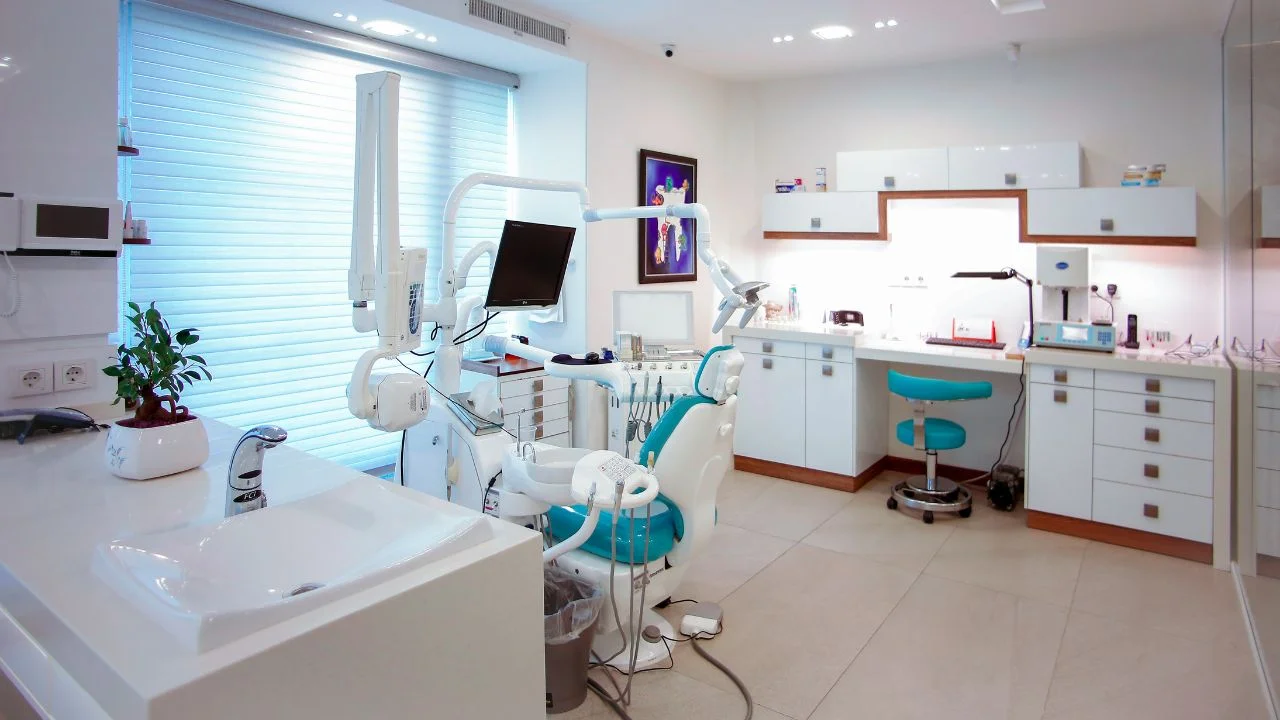
Most dental practices grow through word of mouth alone for years and then plateau. The patients referred by friends and family keep coming back. Still, new patient numbers are stagnating, the appointment book has gaps, and the associate you just hired needs a fuller schedule to justify the investment. That’s the moment most dentists realize that marketing isn’t optional.
The good news is that dental marketing doesn’t require a big budget or a dedicated team. It requires consistency, trust-building, and showing up in the right places at the right times. Here’s how to do it.
Get Crystal Clear on Your Ideal Patient
Not all patients are equal, and the most effective dental marketing starts with a clear picture of who you most want to attract. A family practice trying to appeal to nervous adults, parents of young children, and cosmetic dentistry seekers all at once will produce marketing that resonates with none of them particularly well.
Think about your current best patients. The ones who accept treatment plans, refer their families, keep their appointments, and represent the kind of work you most enjoy doing. What do they have in common? Are they young professionals in a particular neighbourhood? Families with children under ten? Are they adults in their forties and fifties interested in smile restoration and cosmetic work?
Once you have a clear picture of your ideal patient, every piece of marketing you produce should be written and designed with that person specifically in mind. The more your marketing speaks directly to a specific type of person and their specific concerns, the more effectively it will convert.
Make Your Google Business Profile Your Top Priority
When someone chips a tooth, loses a filling, or finally decides to address the dental anxiety they’ve been managing for three years, the first thing they do is search Google. If your practice doesn’t appear prominently in the map pack, with strong reviews and complete information, you’re losing patients before they’ve even had a chance to find you.
Your Google Business Profile is the most important free marketing asset your practice has. Fill it out completely: accurate address, phone number, hours including any late evening or Saturday availability, a link to your website, and clear photos of your reception, treatment rooms, and team. Practices with rich, up-to-date profiles consistently outperform those with sparse listings in local search results.
Reviews are the single most influential factor in a patient’s decision to choose one practice over another. Build a simple, consistent system for requesting them. This could be a follow-up text message after an appointment with a direct link to your Google review page. Even asking verbally at the end of a positive appointment drives meaningful results. Aim to respond to every review, positive or negative, in a professional and warm tone. How you handle a negative review is often more trust-building than the review itself.
Build a Website That Converts Nervous Patients
Dental anxiety is real and widespread. Studies consistently suggest that a significant portion of the adult population experiences some degree of fear around dental visits. Your website is your first opportunity to address that anxiety and replace it with confidence and trust.
The most effective dental websites don’t lead with a list of services and price points. They lead with warmth, reassurance, and evidence that real patients have had positive experiences here. A short welcome video from the principal dentist does more for first-impression trust than any amount of professional photography or polished copy.
Beyond the emotional design, the practical elements matter enormously. Mobile optimization is non-negotiable: most patients will visit your site on a phone, and a site that is hard to navigate on mobile loses them immediately. Online booking is increasingly expected. If patients have to call during business hours to make an appointment, a meaningful percentage will simply move on to a practice that offers instant online scheduling. Clear information about payment options, including any interest-free payment plans, removes a significant barrier for patients considering higher-value treatments.
Pro Tip: Create a dedicated page for nervous or anxious patients. Describe your approach to nervous patient care in detail, including testimonials from patients who describe overcoming their dental anxiety at your practice, and explain every step of the process so there are no surprises. This page alone can be a significant differentiator in a competitive local market.
Invest in Local SEO for Long-Term Patient Acquisition
Google Ads can put you at the top of search results tomorrow, but local SEO builds a sustainable pipeline of new patients that doesn’t require ongoing ad spend. The fundamentals are straightforward. Your website should have a dedicated page for every primary service you offer. General dentistry, teeth whitening, Invisalign, dental implants, emergency appointments and each page should naturally include the name of your city or area. Your name, address, and phone number should be consistent across every online directory: Google, Yelp, NHS Choices if applicable, and any local business directories.
Content marketing accelerates your search engine optimization (SEO) while building patient trust simultaneously. Blog posts answering common patient questions, “How long do dental implants last?” “Is Invisalign suitable for adults?” “What should I do if I knock out a tooth?” attracts patients searching for information before they’re ready to book, and introduces them to your practice at the research stage. A patient who discovers your practice through a helpful blog post and then books an appointment four weeks later is just as valuable as one who clicked a paid ad.
Use Social Media to Show the Human Side of Your Practice
People choose a dentist, not just a dental practice. The relationship with a trusted dentist is one of the most personal in healthcare, and social media is where you build that sense of familiarity and trust before a patient ever walks through your door.
Instagram and Facebook are the most effective platforms for most dental practices. The content that performs best is rarely promotional. Before-and-after smile transformation photos are consistently the highest-engagement content type because they demonstrate skill and results in an immediately compelling way. Team introductions and behind-the-scenes moments humanize the practice. Patient milestone celebrations, practice news, and oral health education all contribute to an active, genuine presence that makes your practice feel approachable.
Short video content is increasingly powerful. A brief tour of your practice for patients nervous about their first visit, a quick explanation of what an Invisalign consultation involves, or a 60-second myth-busting video about a common dental misconception can reach far beyond your existing followers if the content is genuinely useful or engaging. Consistency matters more than perfection. Posting three times a week with real, warm content will always outperform sporadic bursts of polished promotional material.
Run Google Ads to Fill Gaps & Launch New Services
Organic search and social media take time to build momentum. Google Ads offer immediate visibility for high-intent searches, people actively looking for a dentist right now, in your area, for a specific treatment. For most dental practices, the highest-return Google Ads campaigns target emergency appointment searches, new patient offers, and specific high-value treatments like implants or Invisalign. These patients are ready to act, which makes the cost-per-acquisition far more favourable than awareness-stage advertising.
Write ad copy that speaks directly to what the patient is feeling. Someone searching for an emergency dentist on a Saturday morning is in pain, and they need to know you’re available, nearby, and ready to help. Lead with availability and reassurance, not credentials. Someone searching for Invisalign is probably comparing options and weighing up cost. A headline that addresses affordability and offers a free consultation will consistently outperform a generic “Invisalign provider near you.”
Always send paid traffic to a dedicated landing page, not your homepage. A page built specifically for the campaign with one clear call-to-action, relevant social proof, and no distracting navigation will convert at a significantly higher rate.
Build a Patient Referral System
The patients who come through a personal recommendation are almost universally your best patients. They arrive pre-trusting, they’re more likely to accept treatment recommendations, and they refer others in turn. Word of mouth is already happening in your practice; a referral system simply amplifies it.
The most effective approach is to make referring feel natural and easy. Give every patient who completes a treatment course two appointment cards, one for their next visit and one to pass to a friend or family member. At the end of a particularly positive appointment, tell patients directly that personal recommendations are the highest compliment they can pay you.
For cosmetic and elective treatments in particular, a structured incentive can be effective, such as a discount on their next hygiene appointment, or a complimentary whitening treatment for every patient they refer who completes a course of treatment. Track these referrals carefully so the incentive is always honoured promptly.
Professional referral relationships are equally valuable. Build genuine connections with orthodontists, oral surgeons, endodontists, and GPs in your area. Refer to them generously and professionally, and reciprocal referrals will follow.
Email Marketing to Retain Patients & Drive Re-Appointments
Patient retention is as important as patient acquisition and significantly cheaper. An email marketing strategy that keeps your existing patients engaged, informed, and booked is one of the highest-return marketing investments a dental practice can make.
Appointment reminders and recall emails are the foundation. Automated reminders reduce no-shows, and a recall system that prompts patients who are overdue for a check-up to rebook is a direct revenue driver. Most modern practice management software handles this, but it’s worth reviewing the messaging. A warm, personalized reminder performs better than a generic system-generated notification.
Beyond transactional emails, a quarterly newsletter adds genuine value and keeps your practice top of mind. Seasonal oral health tips, updates about new technology or treatments at the practice, team news, and patient success stories all contribute to a sense of community that makes patients feel connected to your practice between visits.
For patients who haven’t visited in over a year, a targeted reactivation campaign a friendly message acknowledging they haven’t been in for a while, perhaps with a small incentive for rescheduling, consistently brings back patients who drifted away for reasons of convenience rather than dissatisfaction.
Manage Your Online Reputation Proactively
Your online reputation is your most valuable marketing asset and one of the few that can work against you if neglected. Potential patients read reviews as seriously as personal recommendations, and a handful of unaddressed negative reviews can undermine months of positive marketing.
Build a proactive review strategy rather than a reactive one. The more genuine five-star reviews you accumulate, the more resilient your reputation becomes to the occasional dissatisfied patient. When negative reviews do appear, respond promptly, professionally, and without defensiveness. Acknowledge the patient’s experience, express genuine concern, and invite them to contact you directly to resolve the matter. Never share patient information or become argumentative in a public response. The audience for your reply is every potential patient who reads it, not just the reviewer.
Monitor your reputation across all relevant platforms, Google, Facebook, Trustpilot, and any NHS or healthcare-specific review sites in your market. Set up a Google Alert for your practice name so you’re notified of any new mentions and can respond promptly.
Track Your Marketing and Know Your Numbers
Growing a dental practice through marketing requires the same discipline you’d apply to any other business investment: measure what you spend, measure what you get, and adjust accordingly.
At a minimum, know where every new patient comes from. Ask at registration and record the answers consistently: Google search, referral from an existing patient, social media, walked past the practice, Google Ad. Over time, this data reveals which channels are delivering your best patients at the lowest cost, and where your marketing budget should be concentrated.
Track your new patient numbers monthly, your recall rate, your treatment plan acceptance rate, and the lifetime value of a patient. These numbers tell the real story of your practice’s health and the effectiveness of your marketing. A campaign that drives 20 new patients a month at low cost looks very different in value if those patients have a low acceptance rate and don’t return for recalls, compared to 10 new patients who accept comprehensive treatment and refer their families.
Final Thoughts
Marketing a dental practice is ultimately about building trust at scale, the same trust that has always driven word of mouth referrals, extended through digital channels to reach patients who don’t yet know you exist. Get your local search presence right, build a website and social presence that makes nervous patients feel safe before they arrive, create systems for referrals and reviews, and nurture your existing patients so they stay loyal and refer others. Do all of this consistently over time, and you won’t just fill your appointment book, you’ll build the kind of practice that patients recommend without being asked, because the experience genuinely deserves it.

Need further assistance?
Struggling to get new customers in your area? Let’s have a conversation.