
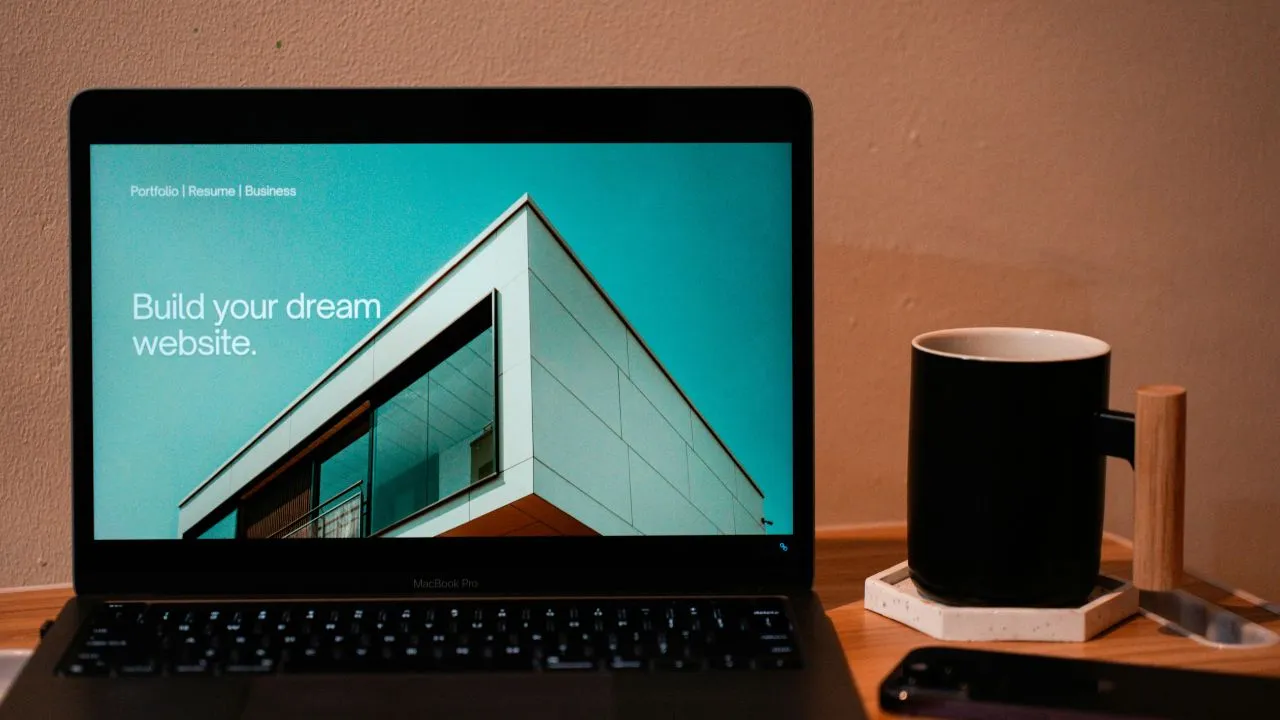
Website design is the process of planning and creating how a website looks, functions, and feels for visitors. A well‑designed website helps people find what they need quickly, trust the business, and take action. Make the visitors know whether they should fill out a form, contact you, book, or buy.

Website Design
with Forest City Digital Marketing
✓ Branding
✓ Conversions
✓ Lead Generation
✓ Search Engine Optimization
What Website Design Really Means
Website design is more than just choosing colors and putting text on a page. It includes layout, navigation, mobile experience, loading speed, and how easy it is to read and use your site. Good design balances visual style with clear usability.
A strong website design should:
- Make the main message and call-to-action easy to notice.
- Guide the user naturally from page to page.
- Feel professional and consistent with your brand.
- Work smoothly on phones, tablets, and computers.
When design and function work together, visitors are more likely to stay, explore, and convert.
Why Website Design Matters
Your website is often the first impression people have of your business. If it looks outdated, confusing, or slow, visitors may leave before taking any action. A strong website design builds trust and makes it easy for people to understand what you offer.
Good design also supports marketing. A clean, organized site helps search engine optimization (SEO), improves conversion rates, and makes paid traffic more valuable. When visitors quickly see your value, they are more likely to contact you or become customers.
Key Principles of Good Website Design
Many successful websites follow the same core principles:
- Mobile‑First Design: Ensure the site looks and works great on phones, since most people browse on mobile devices.
- Fast Loading Speed: Keep page load times low so visitors do not leave out of frustration.
- Clear Navigation: Make it easy to move through your site with clear menus and simple structure.
- Visual Hierarchy: Use size, color, and spacing to show what is most important on the page.
- Scannable Content: Break text into short paragraphs, headings, and bullet points so people can read quickly.
- Consistent Branding: Use the same fonts, colors, and style across all pages.
- Strong Calls-to-Action: Make buttons or links stand out so people know what to do next.
These habits improve user experience and help visitors take the next step.
Common Website Design Trends
Design trends change over time, but many trends focus on user experience and clarity:
- Clean, minimal layouts with plenty of white space.
- Bold typography and simple, readable fonts.
- Clear, contrasting colors and easy‑to‑read text.
- Visual storytelling with photos, icons, and short videos.
- Dark mode and reduced visual clutter.
- “Human” or hand‑drawn elements that feel friendly and less automated.
While trends can be useful, it is more important that your design matches your brand and audience than that it follows every trend exactly.
Website Design for Small Businesses
For small businesses, website design should be simple, clear, and easy to manage. Many small‑business sites focus on:
- A homepage that explains the business and services.
- Clear contact information and a simple way to book or call.
- Mobile‑friendly design and fast loading.
- Easy ways to add new content and update offers.
A clean, focused site helps small businesses compete with larger brands without looking outdated or confusing.
Common Website Design Mistakes
Many businesses weaken their website by making avoidable design mistakes:
- Cluttering the page with too many images, buttons, or text.
- Using hard‑to‑read fonts or low‑contrast colors.
- Not making the site mobile‑friendly.
- Forgetting clear calls to action or contact info.
- Letting the site look too old or poorly maintained.
Taking time to review and update your design can make a big difference in performance and trust.
Hiring a Website Designer or Agency
If you do not design your own website, it can help to hire a professional or agency.
When choosing someone, look for:
- A strong portfolio with sites for similar businesses.
- Experience with mobile design and usability.
- Clear communication and simple explanations.
- A focus on both style and function.
A good designer will help you build a site that looks professional and supports your business goals.
Final Thoughts
Website design is one of the most important tools for any business that wants to be found online and build trust. A strong, well‑designed website makes it easy for visitors to understand what you offer, take action, and feel confident in your brand. When combined with clear messaging and marketing, good design can turn casual visitors into real customers.

Need further assistance?
Is your current website bringing in leads for your business?